
Understand the 极速赛车飞艇 draw rhythm with a clear, practical 时间表
Fast-cycle draw formats depend on timing discipline. When users search for 极速飞艇开奖时间表, 每日开奖频率, or 即将开奖时刻提醒, the real need is simple: know when each round is approaching, estimate the interval between issues, and move quickly from live tracking to result confirmation without confusion.
A dependable schedule reference reduces missed draw windows, improves live monitoring habits, and makes 实时开奖 observation more efficient. It also helps separate normal timing gaps from unusual delays, which matters when checking 开奖导航, switching to 极速赛车开奖直播, or verifying the latest numbers through 号码核对.
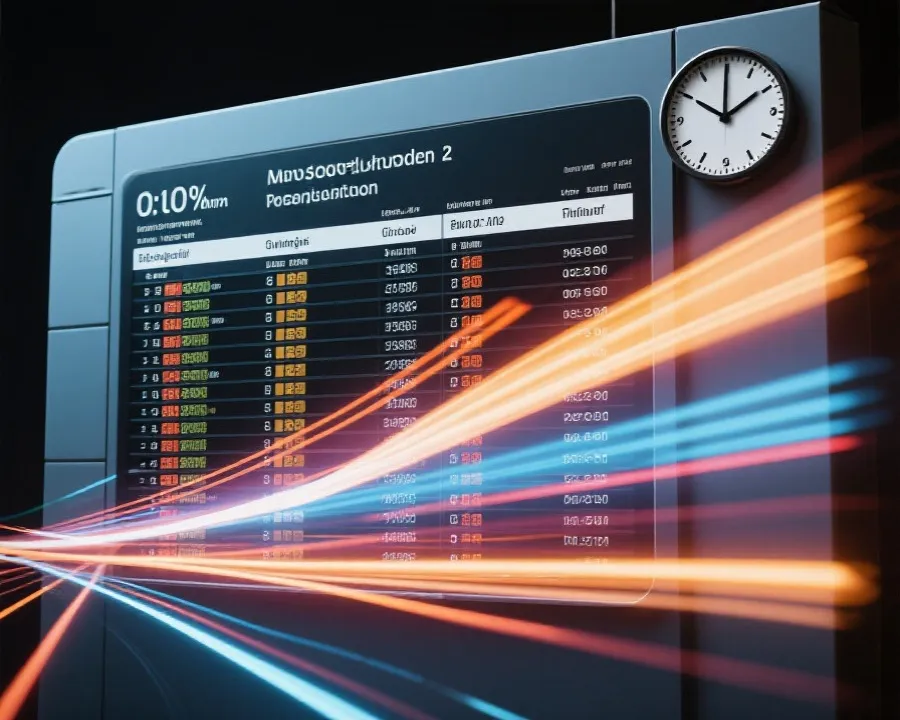
High-frequency timing awareness
Frequent draw cycles make small timing errors more costly. A reliable 开奖时间 reference supports quicker reactions around the next issue and keeps users aligned with the live cycle rather than guessing.
Issue interval clarity
A useful 时间表 is not only about the next draw. It also frames the recurring gap between periods, helping users understand whether the cadence remains normal across the day.
Faster result verification
Knowing the schedule shortens the path from live observation to quick result lookup, especially when searching 今日开奖, 最新号码, or 中奖验证 within a narrow time window.
How draw timing usually works in fast-cycle formats
极速赛车飞艇 timing is built around repetition. Most users are not looking for a one-time calendar entry; they are looking for a stable rhythm that repeats throughout the day. That is why search intent often combines terms such as 开奖时间, 频率计划, 时刻查询, and 每日开奖时刻表. The practical question is when the next issue is expected and how long the average wait tends to be.
In high-speed draw environments, a schedule should be understood as a cycle rather than a single timestamp. A cycle includes the time leading up to a draw, the moment numbers are released, and the short transition period before the next round begins. Users following 极速赛车开奖直播 often pay attention to all three moments because each one affects how quickly they can confirm a result and decide whether a delay is routine or unusual.
This is also why terms like 即将开奖时刻提醒 and 开奖临界点 appear in search behavior. When the interval between rounds is short, users rely on timing patterns more than static clocks. Even a simple understanding of the recurring window can improve tracking accuracy and reduce unnecessary refreshes or repeated switching between live and results pages.
What a practical 极速飞艇开奖时间表 should help you judge
1. The next likely draw window
The most immediate purpose of a timing guide is to estimate the next active draw moment. Users searching 开奖导航 rarely need theory. They need a realistic time window that supports quick movement toward live tracking or result checking.
2. The recurring interval between issues
A useful 时间表 highlights the repeated gap across consecutive draws. This helps users understand daily pace, monitor consistency, and compare expected intervals against actual updates in real time.
3. The difference between normal lag and abnormal delay
Fast formats may still show small processing gaps. A timing-aware user is less likely to mistake a brief transition for missing data. This is especially valuable when looking for 实时开奖 updates during peak attention moments.
4. The best moment to switch from watching to checking
Live watchers often move to result lookup almost immediately after release. Understanding the draw cycle makes the handoff smoother, especially for users checking 今日最新中奖号码核对 or reviewing whether a newly posted issue matches expectations.
Timing signals experienced users watch closely
- Whether the latest issue appeared within the expected draw rhythm
- How close the cycle is to the next likely release window
- Whether live feed movement and result posting remain synchronized
- How quickly numbers can be cross-checked after the draw closes
- Whether a brief lag is consistent with routine cycle turnover
Daily timing habits that make live tracking more reliable
Users who follow high-frequency draws effectively tend to use timing as a workflow, not just a reference. They watch for the upcoming cycle, confirm whether the current issue has closed, and then move immediately to results. This routine matters more than memorizing exact timestamps because fast formats reward consistency over one-off checks.
A disciplined approach is especially helpful for search patterns like 极速飞艇每日开奖频率及规律导航 and 时刻查询. These searches suggest a need for orientation rather than speculation. The user wants a dependable rhythm: when to pay attention, when to wait, and when to verify.
In practice, that means checking the live stream close to the expected cycle window, allowing a short buffer for transition, and then confirming against the newest posted result. When repeated across the day, this creates a much smoother experience than jumping in at random moments and trying to infer the schedule from scattered updates.
Track the cycle, not only the clock
Repeating intervals often matter more than isolated timestamps in fast-draw formats.
Allow a brief transition buffer
Short gaps between draw closure and visible publication can be normal in real-time workflows.
Verify quickly after release
Result confirmation is most efficient when done immediately after the expected release window.
Use history to confirm pattern stability
Recent historical sequences can help determine whether the current cadence fits the normal rhythm.
When timing and result lookup work best together
Search intent around 时间表 often overlaps with 号码核对 and 历史记录 because timing is only one part of the decision process. Once a draw window passes, attention quickly shifts to verification. That is why a good schedule reference works best when paired with immediate access to the newest issue and a clear path to previous records.
Users checking 今日开奖 usually want to know three things in sequence: whether the draw should already have happened, whether the latest numbers are available, and whether recent records support the same cycle pattern. This sequence reduces uncertainty and makes fast updates feel more predictable.
Common reasons users misread a draw schedule
- Assuming every visible timestamp marks a confirmed release rather than a projected cycle point
- Ignoring the short processing interval between live closure and displayed result publication
- Checking too early and treating an expected transition lag as missing information
- Looking at a single issue in isolation instead of comparing several consecutive draw intervals
- Switching between live, result, and archive data without anchoring to the same issue sequence
Frequently asked questions about 极速赛车飞艇 开奖时间
How should users read an 极速赛车飞艇开奖时间表?
The most practical approach is to treat it as a repeating rhythm. Focus on expected issue intervals, upcoming release windows, and the short gap between draw closure and visible number confirmation.
Why do people search for 每日开奖频率 instead of only exact timestamps?
High-frequency formats are easier to follow through cadence. Frequency helps users judge whether the current round is on schedule and whether the next live observation window is close.
What if the latest result is not visible at the expected moment?
A brief delay does not always mean a problem. Fast draw systems may include short transition periods between the closing moment and the displayed update. Comparing the recent cycle pattern can give better context.
When is the best time to move from live tracking to 号码核对?
Usually right after the expected draw window closes and a short processing buffer has passed. This improves efficiency for users checking 今日最新号码 or recent issue verification.
Does historical data help interpret current schedule behavior?
Yes. Recent historical sequences can reveal whether the draw cadence appears stable across multiple issues, which is useful when assessing rhythm rather than one isolated timestamp.
Why is 开奖导航 important for real-time users?
Navigation by timing reduces uncertainty. It helps users align with the next cycle, monitor live release moments, and verify numbers quickly without losing track of issue order.